S. Louisa Wei
Director
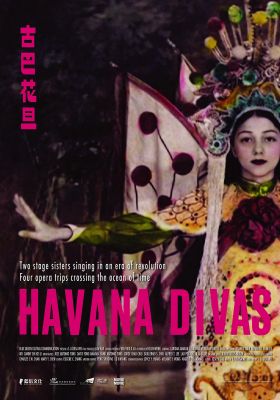
I have always been drawn to people who are able to cross borders of art, language, race, and culture. It is refreshing to see young people cross borders when they are emboldened by their lack of experience; just as it is touching to see older people cross borders in the name of love and nostalgia. The journey of Caridad and Georgina is what I call a journey of “love” and what my producer Law Kar calls a journey of “nostalgia.” While I relate to these women through the love they have for their fathers, Law Kar sees how their youth, filled with the song and performance of Cantonese opera, became the impetus for them to “return” to Hong Kong and Canton. Last year, I lost my father in a traffic accident. At first, I only felt hurt by the painful knowledge that such a loss is permanent and irreversible. Now, I begin to see that the true color of a fatherly love does not fade. My father taught me music; he taught me to be passionate, to value optimism, and to keep an open and inquisitive mind. These lessons continue to enliven and brighten my life. When I follow Caridad and Georgina’s journey from Cuba to China, I can’t help but see it as an extension of their love for their late fathers and a testament to what their fathers had left them. Following their journey, I see their splendor on the opera stage slipping away over and over: first, with the end of China’s Civil War in 1949 when many Chinese coolies moved back to China leaving a diminishing Chinatown; again, when Communist leader Fidel Castro assumed power, prompting remaining Chinese Cubans to move to other parts of America; and a third time, when they returned to Hong Kong and Canton just in time to witness the decline of Cantonese opera as an art form even in China. A deep sense of nostalgia and pathos permeates their movement through the fading vestiges of the charm of a golden age. What I hope to bring to life in this documentary is not only the legend of these women but the poignant beauty of love and loss that surrounds our collective feelings for our fathers.